I - Some examples of metadiscourse 'in' social media
(a) Metamemes
Memes 'about memes' or referring to memes as a genre come in many flavours: some mention and thematize the notion of memes explicitly, and possibly comment on aspects of form and meaning; others have a meta-memetic flavour because they blend normally distinct memes, or rely in other ways on online communicators' meme proficiency to see the links (e.g. visual resemblance) with existing, established memes. Here are just some examples, very loosely organized.
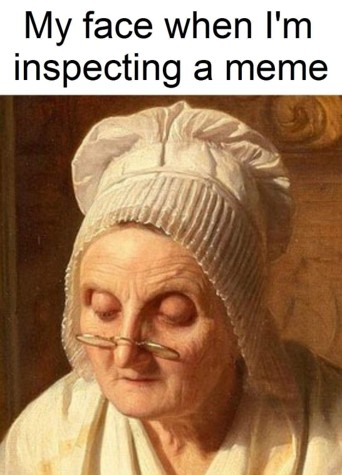
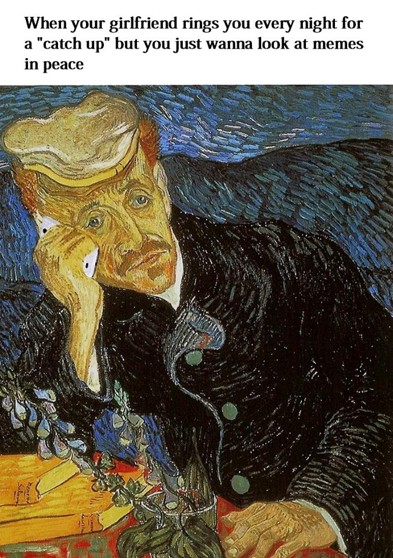
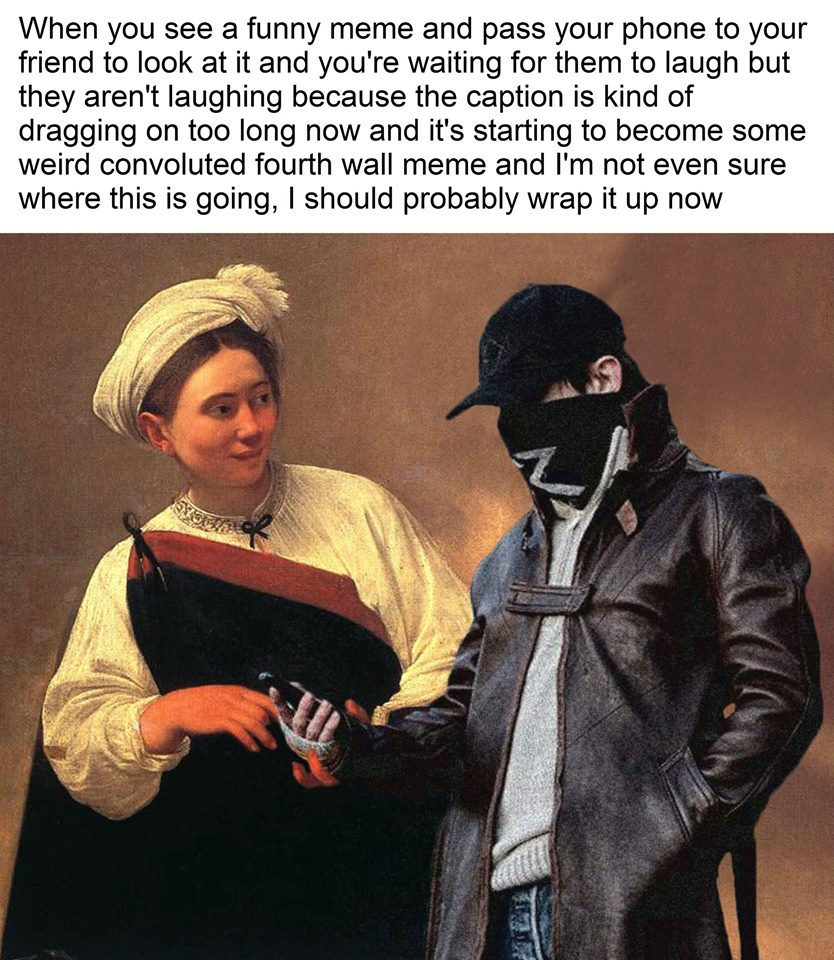
Some 'classical art' memes anachronistically mentioning memes -- and, in the third example, breaking the fourth wall in putting the 'meme maker' explicitly on the scene ('I should probably wrap it up now'):
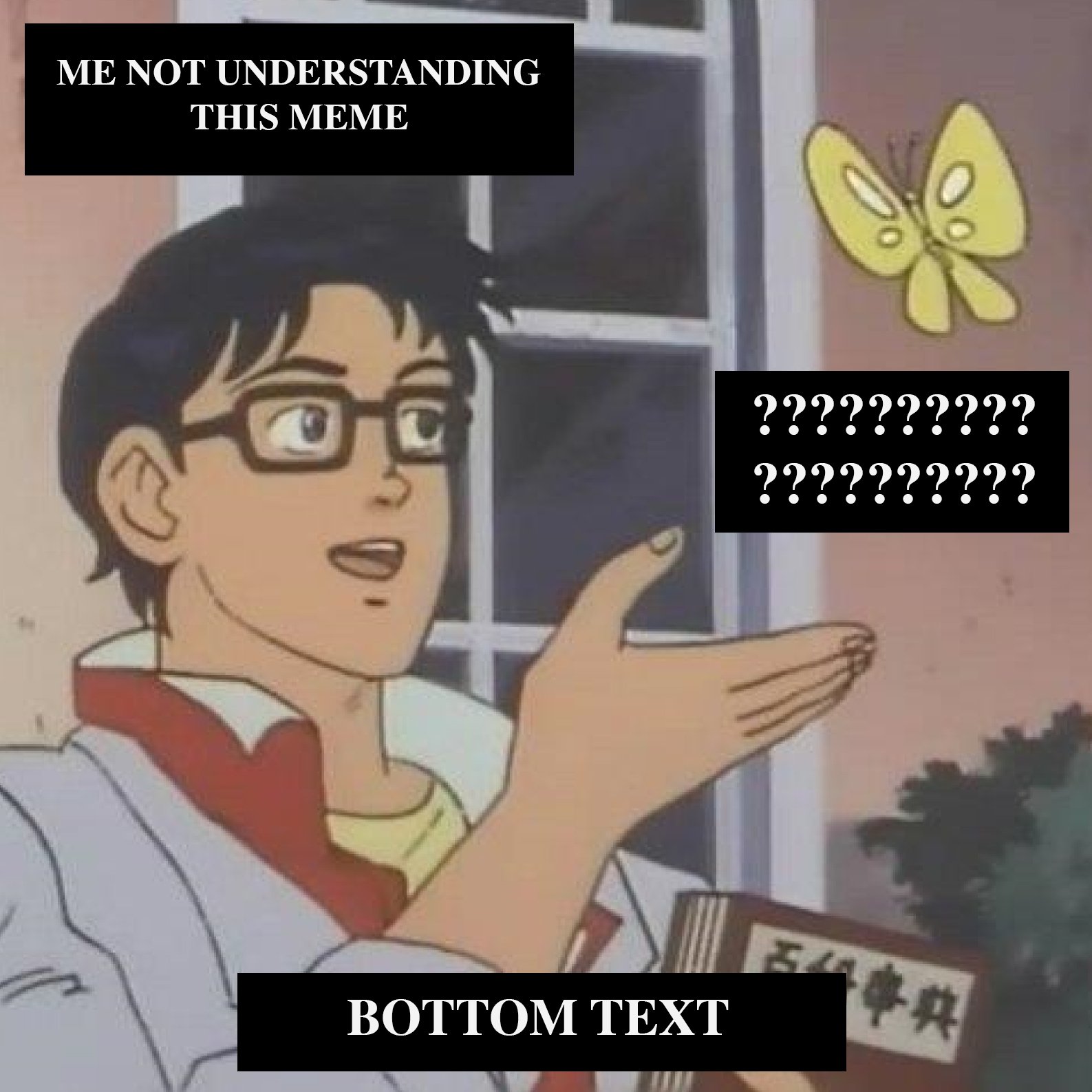
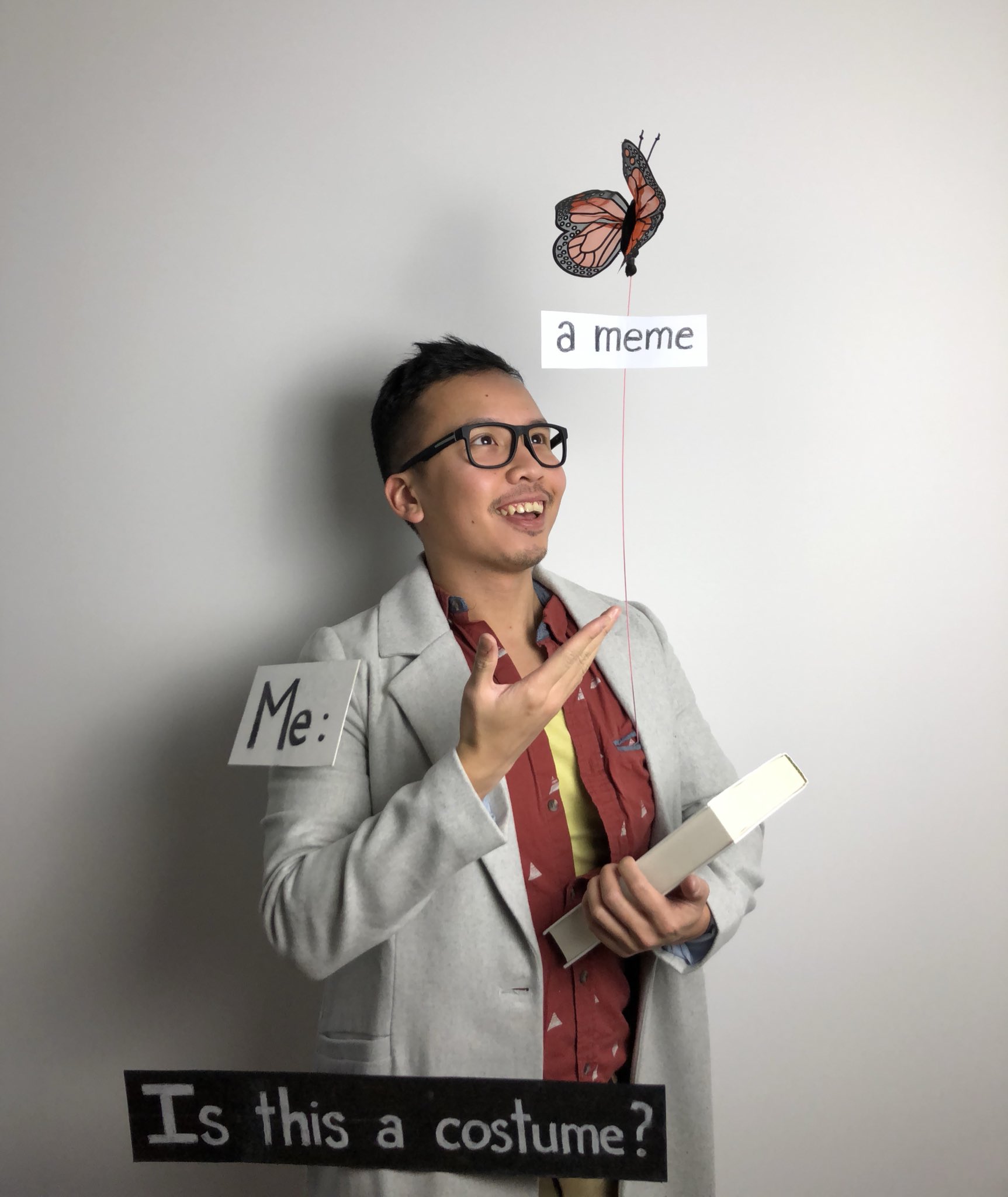
A selection of differently 'meta' versions of the Is This a Pïgeon? meme. The one in the middle additionally notes the similarity in meanings (concerning preferences and shifts in preferences) between the Distracted Boyfriend, Exit 12 and Drake memes.

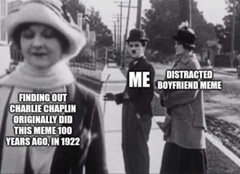
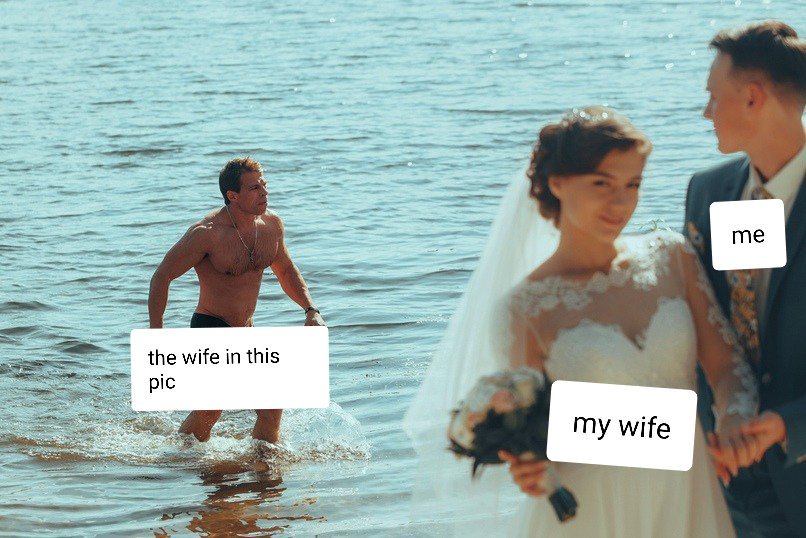
Examples blending new images with existing memes, here in two examples referencing the Distracted Boyfriend meme, and one introducing Cookie Monster into the Most Interesting Man in the World meme.
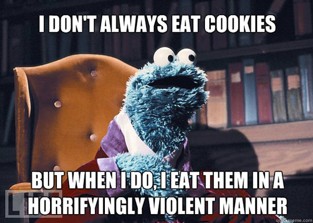
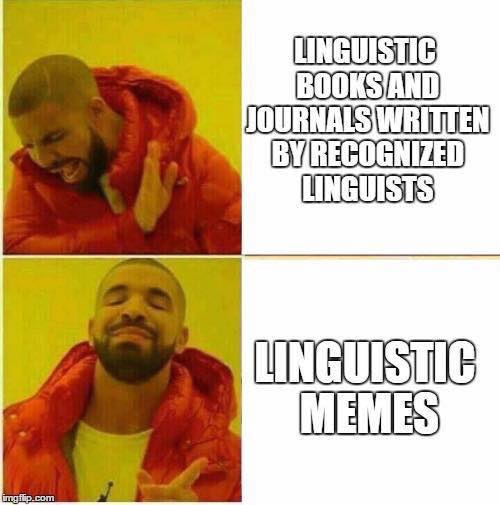
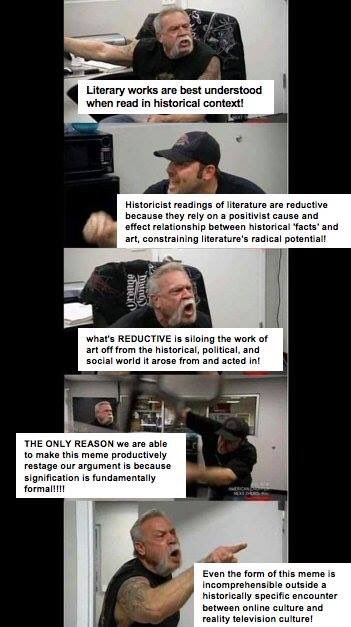
Language and literature themed metamemes riffing on the Drake meme and on the American Chopper Argument dialogue meme.
(b) Social media discourse directing and regulating communicators' attention
In 'quote-tweeting' (or 'reposting with comment'), communicators on microblogging platforms such as X/Twitter or Bluesky can add textual and/or visual comments to a quoted earlier post (for some brief comments on the metadiscursive negotiation that can accompany quote-tweeting, see e.g. Section 3 in this open access article online). Sometimes, quote-tweeting is seen as less 'cooperative' than just responding in a comment, and by the same token, communicators sometimes feel the need to justify reasons for quote-tweeting, as in these examples (for more context/sources, see the section just mentioned):
- Gonna QT [quote tweet] this because I’m seeing it shared a lot. [followed by a correction to the quoted tweet]
- You know what you’re doing. You’re trying to portray me as a bully by *retweeting* [in fact, retweeting with comment, i.e. quote-tweeting] my replies rather than replying. If you really cared you’d stand up for what you preach.
- Why did you quote tweet this instead of replying like a normal human being
Similar contestations may arise when people about whom comments are made, are tagged into online exchanges, sometimes leading to accusations of 'snitch-tagging' ("people who snitch tag ruin conversations").
A different type of metatext that invites further investigation is the use of 'alt text' -- verbal descriptions of images which can be revealed by clicking on 'ALT'. The Bluesky platform explains the use of alt text as follows: "Alt text describes images for blind and low-vision users, and helps give context to everyone." There is interesting variation in, for instance, the degree of detail provided, the viewpoint adopted (e.g. describing a selfie as, e.g. 'selfie showing me in front of the bathroom mirror' versus an external perspective, 'middle-aged man in a green jumper stares into the lens'), and, interestingly, the use of the alt text space to provide additional, possibly ironic or sarcastic, commentary. The latter scenario may further invite meta-comments complimenting the writer ('love the alt text', 'that alt text, tho').
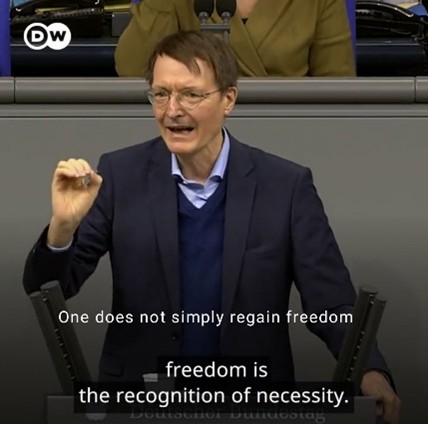
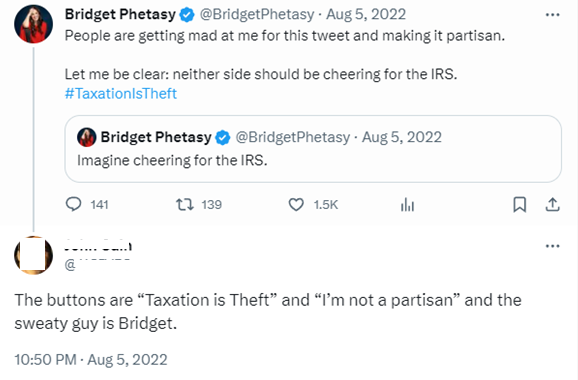
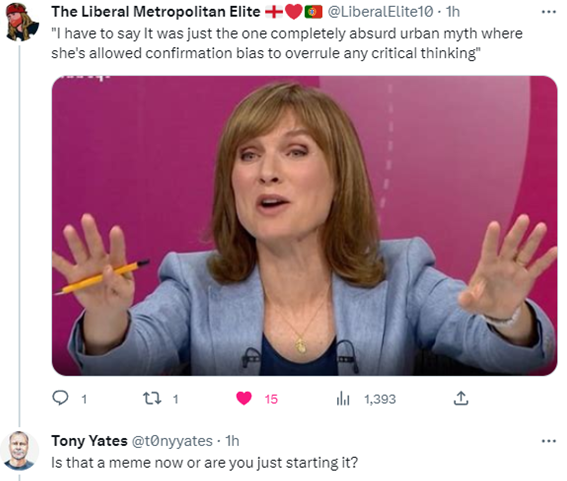
Another interesting type of metadiscourse occurs when different social media users co-construct meme discourse, or share metamemetic reflections. In one example (discussed in this chapter), commenting on a video clip of a German health minister, using the same hand gesture used by Boromir in the One Does Not Simply meme, someone tweeted out "I just know there’s a ‘One Does Not Simply’ Boromir x Hegel x Pandemic crossover meme to be made here but I’m not smart enough to figure out what it is"; someone else in the exchange effectively provided the meme artefact to go with it (given here below on the left). Descriptions of memes can also be left unillustrated, with merely text evoking a meme (e.g. a tweet responding to another tweet, starting with "The buttons are..." to metonymically evoke the Two Buttons meme). Sometimes social media users explicitly discuss memetic status (e.g. 'Is that a meme now or are you just starting it?').
II - Some examples of metadiscourse 'on'/about social media
We are also interested in papers addressing those types of cases where 'the meme becomes the story', so to speak; i.e. when social media discourse itself leaves the confines of social media itself and is debated in society more broadly, across different modes and platforms (print, broadcast, graffiti, etc.). This certainly tends to happen, at different times and in different countries, in discussions of the link between social media and the spread of hate speech (see, e.g., 'How the Internet left 4chan behind' in The New Yorker, or 'Bigots use AI to make Nazi memes on 4chan. Verified users post them on X' in The Washington Post). We can also refer to Elon Musk's proclaiming "I am become meme", or (less politically charged) to discussions around the qualities (or lack thereof) of AI-generated memes in the style of Studio Ghibli (see for instance this short thread on Bluesky, which throws in a variant of the Two Guys on a Bus meme).
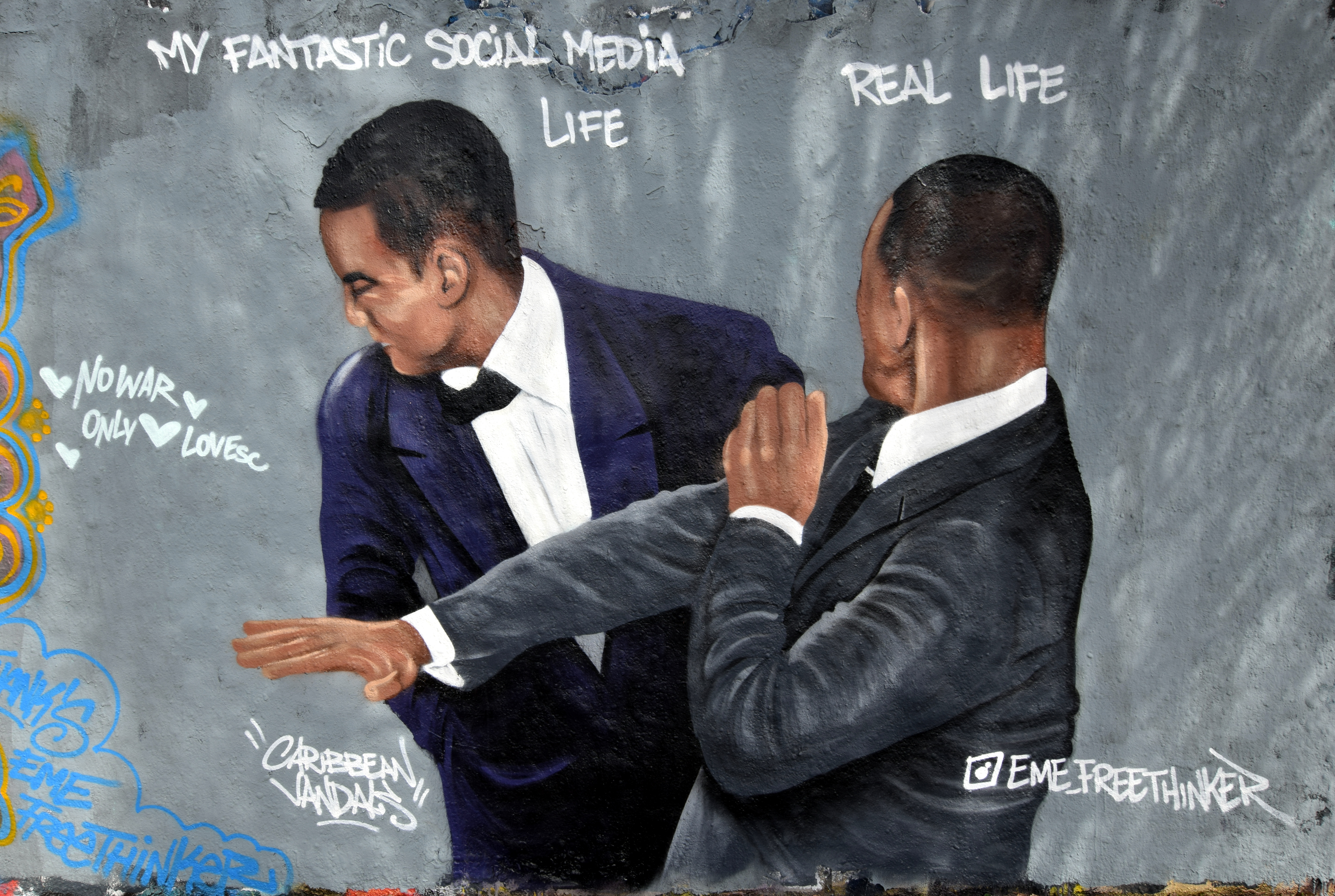
An example of discourse about social media leaping off the screen and into the cityscape is the mural made by graffiti artist Eme Freethinker in Berlin, responding to Will Smith/Chris Rock incident at the 2022 Oscars, which quickly went viral and also became a meme. The wall art uses as labels the phrases “real life” and “my fantastic social media life”, suggesting that real life events are continually complicating or messing up the idealised image we portray of ourselves on social media platforms.